INQUIRIES
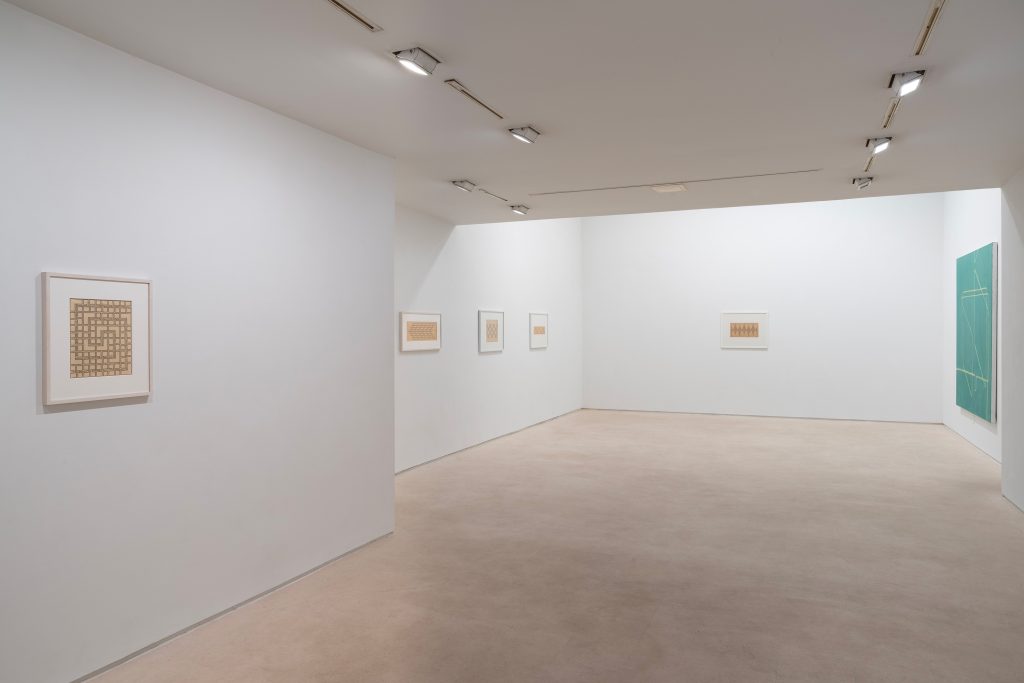
Miguel Abreu Gallery is pleased to announce the opening of Wacław Szpakowski in Continuity, an intergenerational encounter between Wacław Szpakowski (1883–1973) and Paul Pagk (b. 1962), two artists using the language of abstraction. Their practices envision a world in which everything—from our everyday walking routes to architecture, the sounds of music, and weather phenomena—is conceived as an intricate interplay of lines and rhythms.
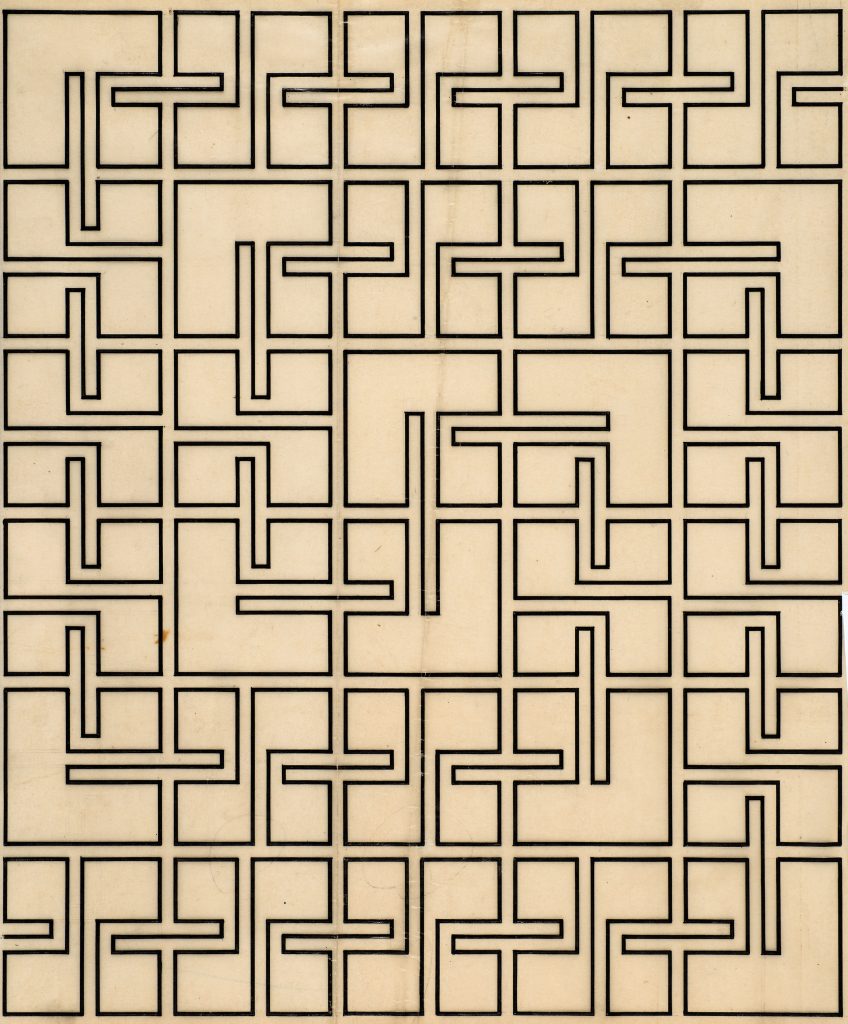
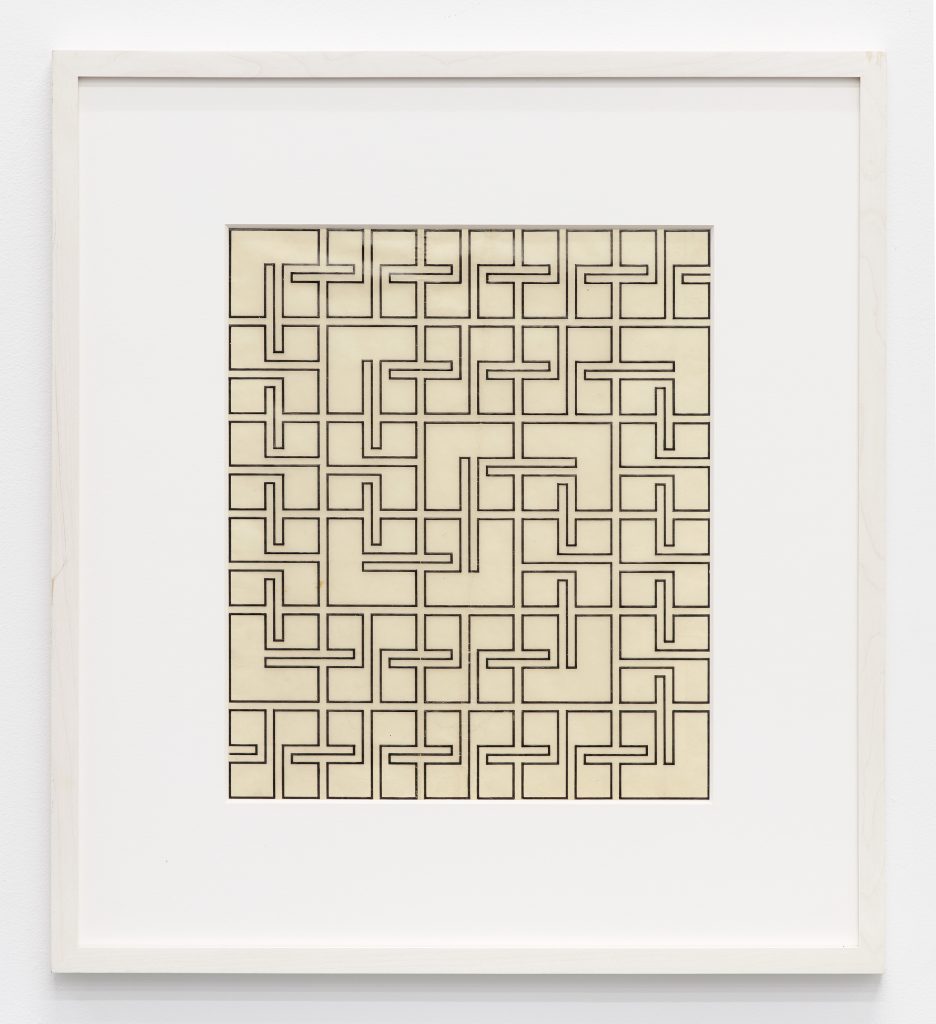
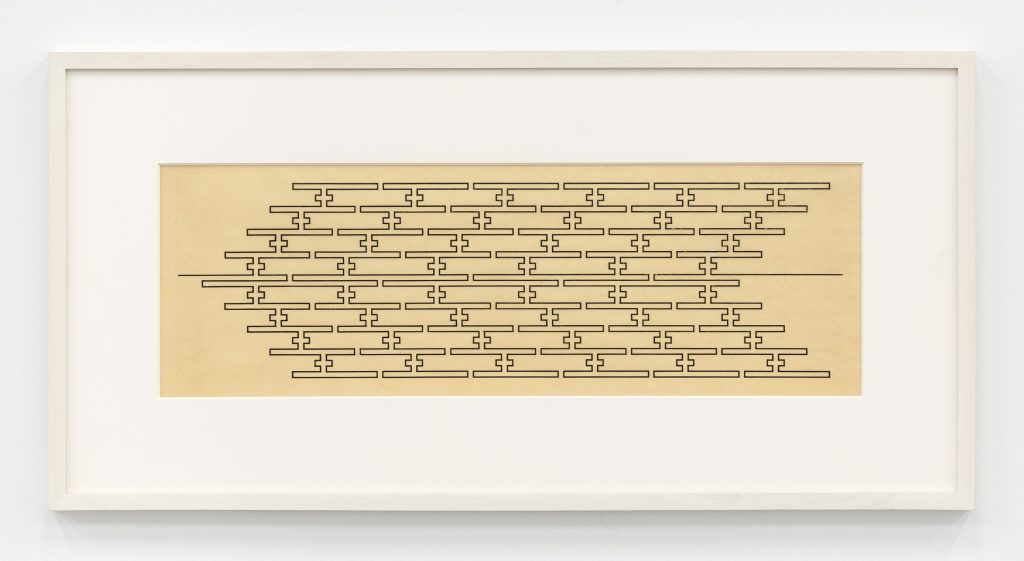
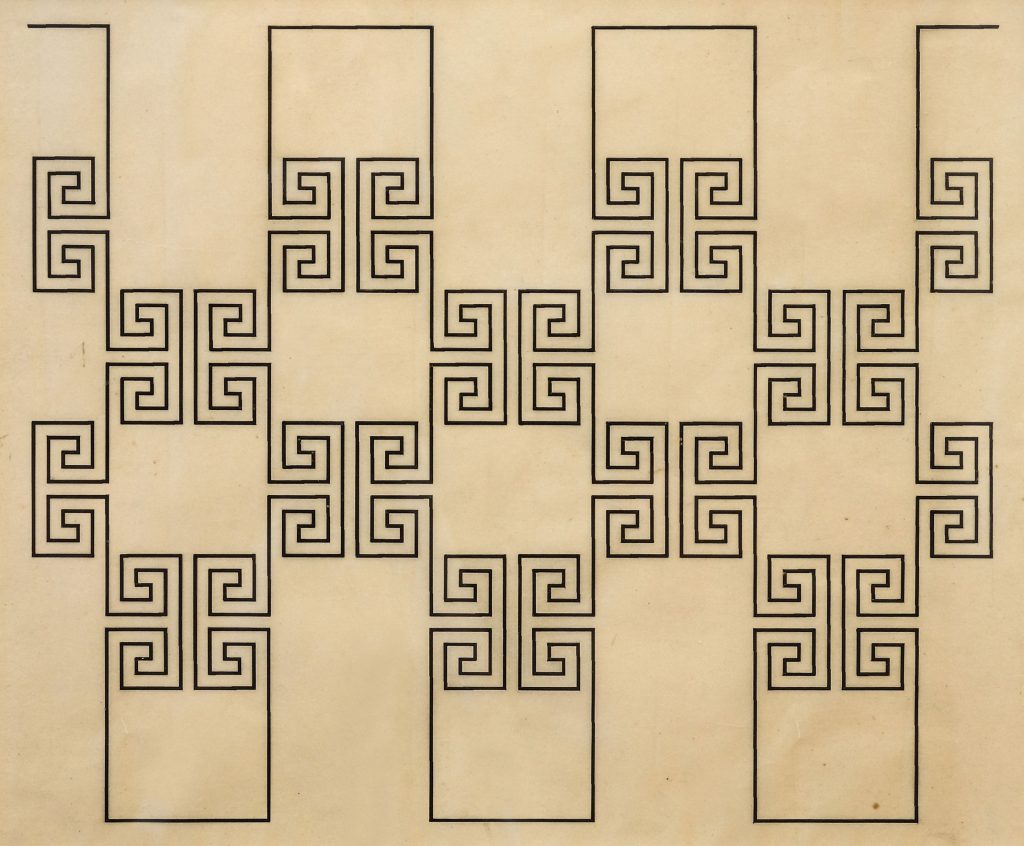
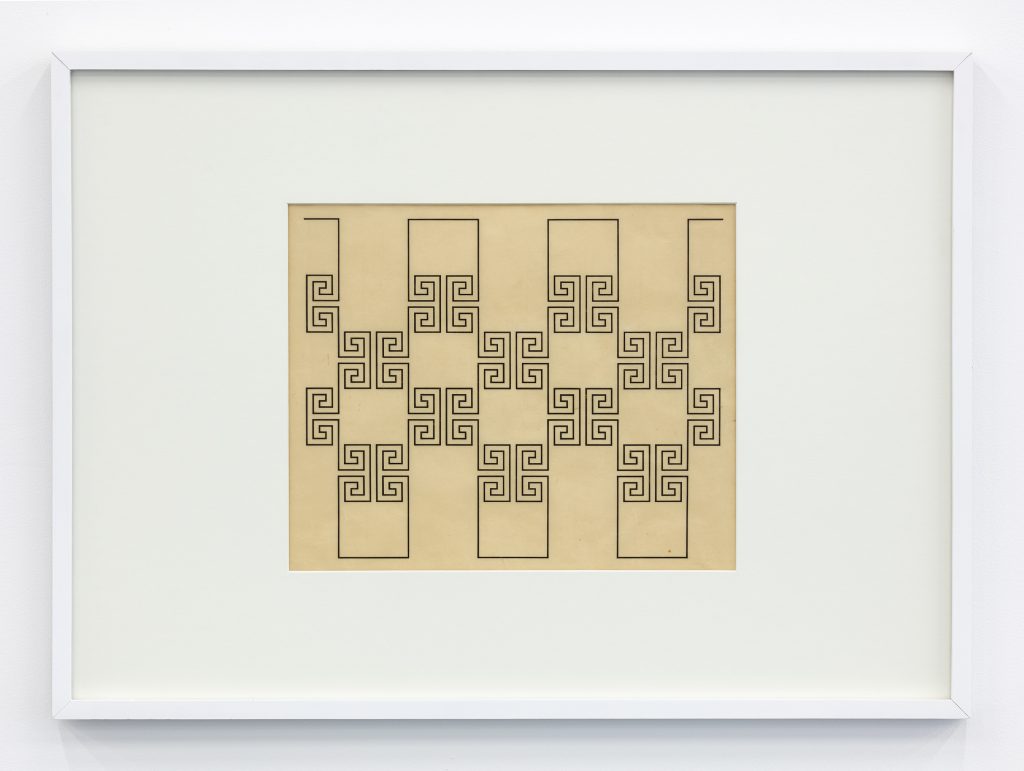
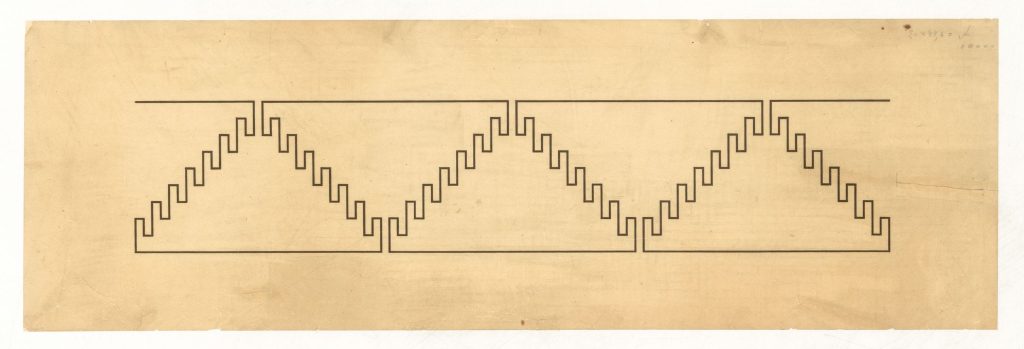
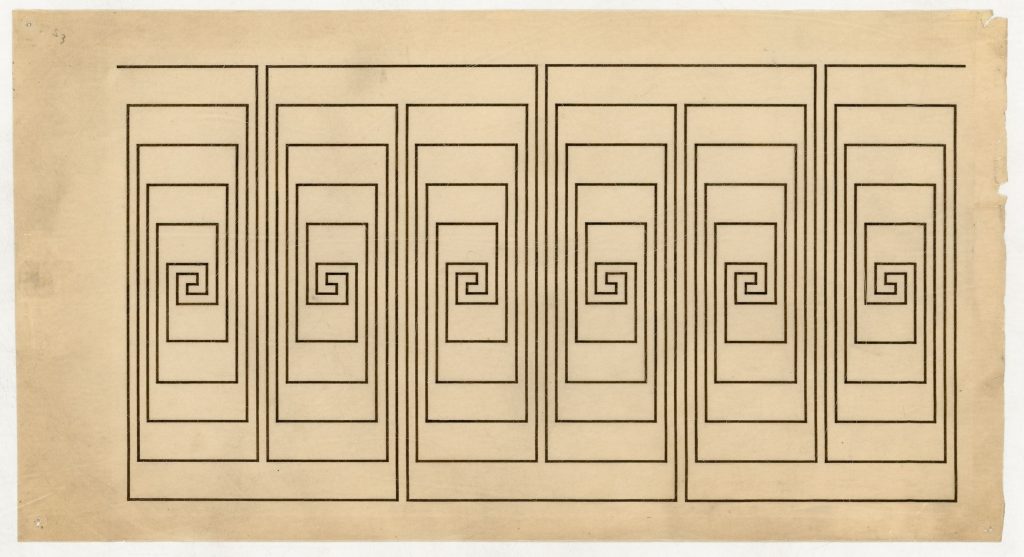
The starting point for this dialogue is five drawings created by Wacław Szpakowski between 1924 and 1943. The Polish pioneer of geometric abstraction was born in Warsaw and moved to Riga with his family in 1897, where he pursued architecture at the Riga Polytechnical Institute (now Riga Technical University). Alongside his studies, Szpakowski meticulously documented his interests in carefully archived notebooks, which now serve as a key to a deeper understanding of his work. His notes reveal an interest in the typology of architectural styles, as well as reflections on ornamentation. Drawings and sketches are interwoven with reports from his travels, spanning from neighboring cities such as Vilnius to as far as Arkhangelsk, and records of atmospheric phenomena, including cyclones and storms. Some pages contain reading lists including books on historic and folk architecture, archaeology, and engineering. Studies of clouds, atmospheric currents, and carbon dioxide were grounded in Szpakowski’s personal observations and readings from scientific journals. Wacław Szpakowski’s drawings also evoke comparisons to musical scores, and indeed, they served this purpose for the author himself, who would play them on the violin.
From the early 1920s onward, Szpakowski transitioned from notebooks to creating a series of sketches on millimeter paper that will later become his lifework, Rhythmical Lines, and ink drawings on tracing paper. There, we see the transition of his observations on architecture, music and the surrounding natural world gradually reduced to the purest abstract forms.
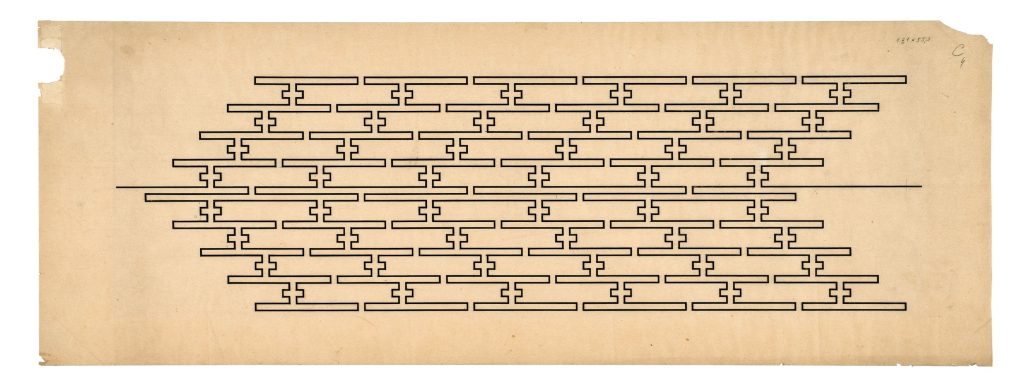
Szpakowski organized his drawings into series coded with letters A, B, C, D, E, and F, with their origins traceable to his early notebooks. The artist excluded drawings that only showed chance arrangements, focusing instead on the linear forms that interested him. The series are guided by different organizational principles, yet each one is characterized by the linear continuity of shapes. His exploration of form continued with the introduction of the spiral (series S).
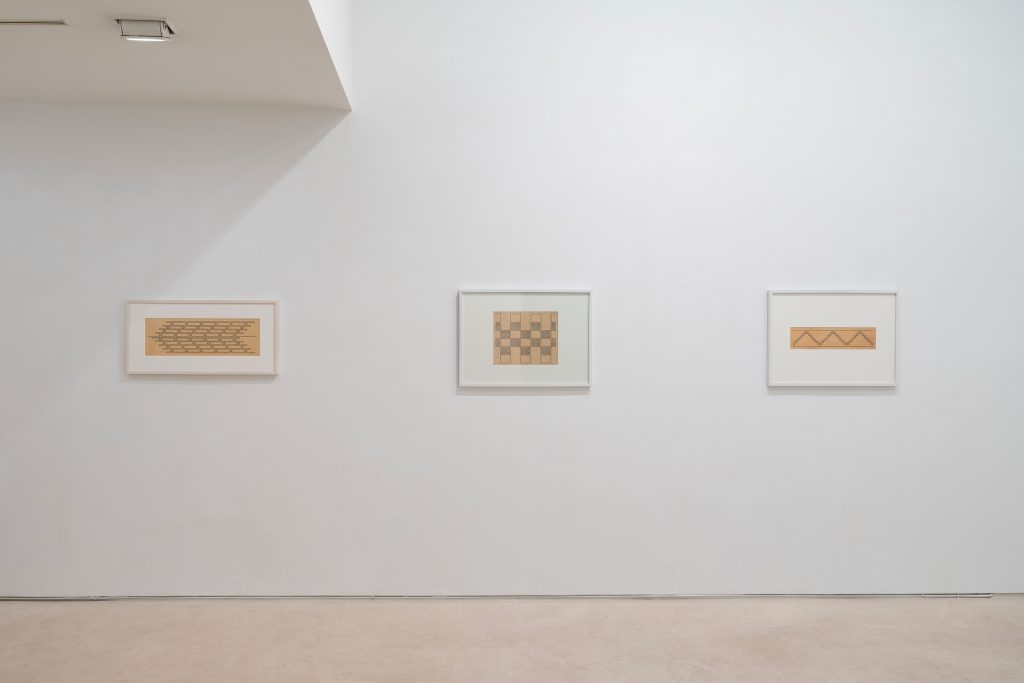
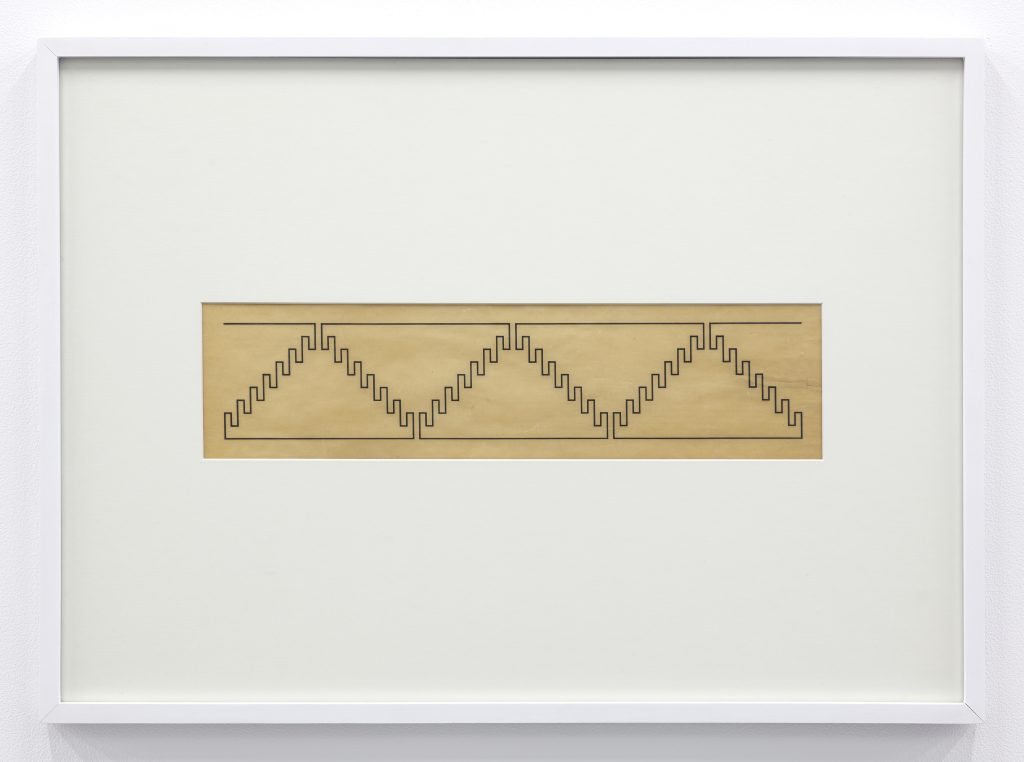
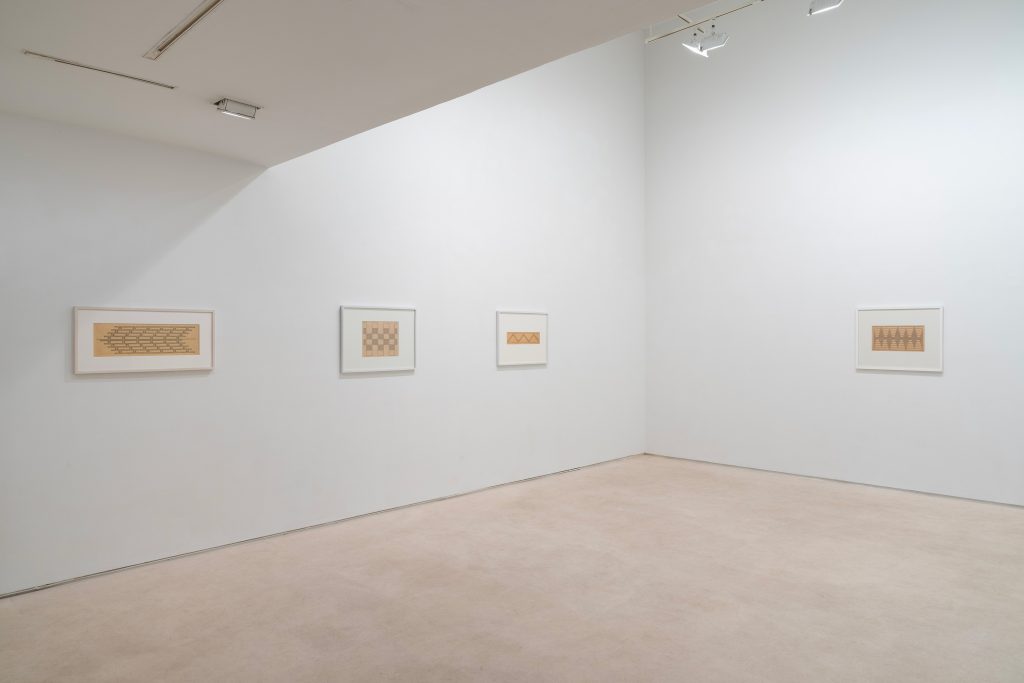
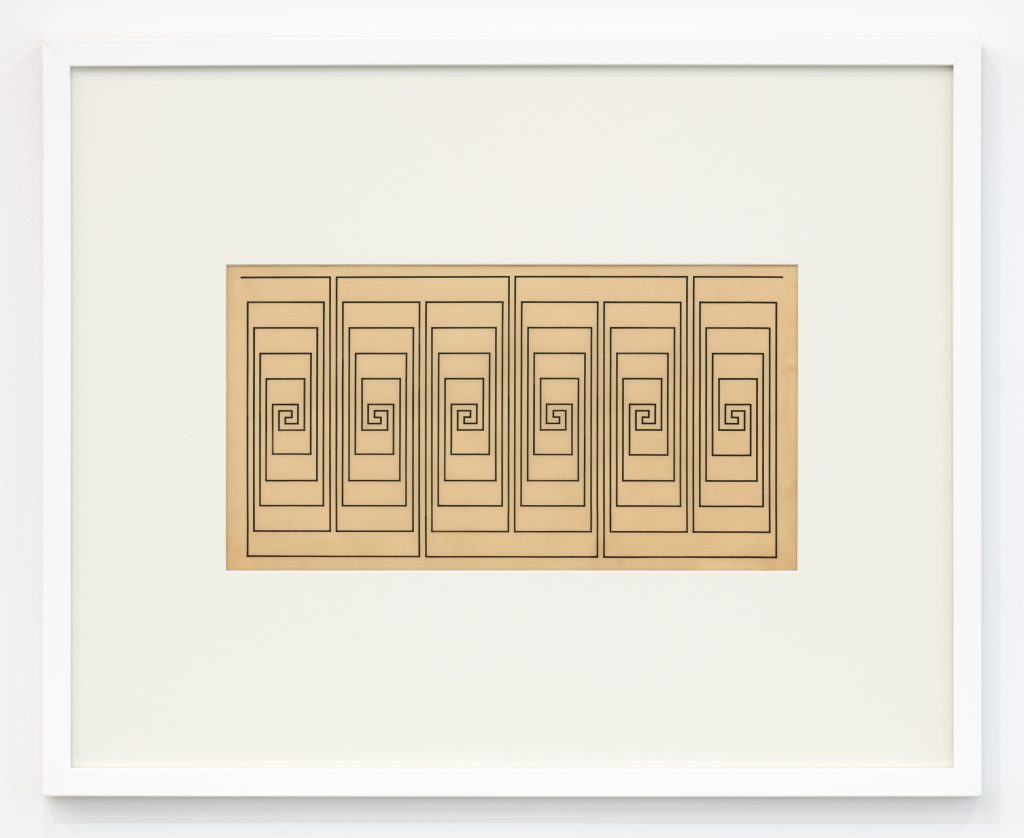
In this exhibition, drawings from the A, E, C, and F series are shown, revealing a diverse array of motifs possible to achieve through a single continuous line. One of Szpakowski’s organizational principles was the exclusive use of vertical and horizontal lines of varying lengths. They always measure 1 millimeter thick, and are separated by 4-millimeter intervals; and drawing always starts on the left of each composition and progresses to the right pointing towards the space outside of the work. The drawings prominently feature meander pattern, as well as zigzag rhythm reminiscent of waves or other natural phenomena, despite Szpakowski’s deliberate avoidance of creating figurative associations and his rejection of three-dimensionality.
His only programmatic text, “Rhythmical Lines,” in which he outlined his artistic method, was published in the monthly magazine Odra in 1969. In this essay he attempts to comprehensively explain the meaning of his work by distinguishing it from purely decorative form:
The linear ideas possess a certain “inner” content which can be discovered by making the eye follow the course of the broken line, from one break to the next, proceeding from the drawing’s starting point, just like one would put together written words of individual letters.
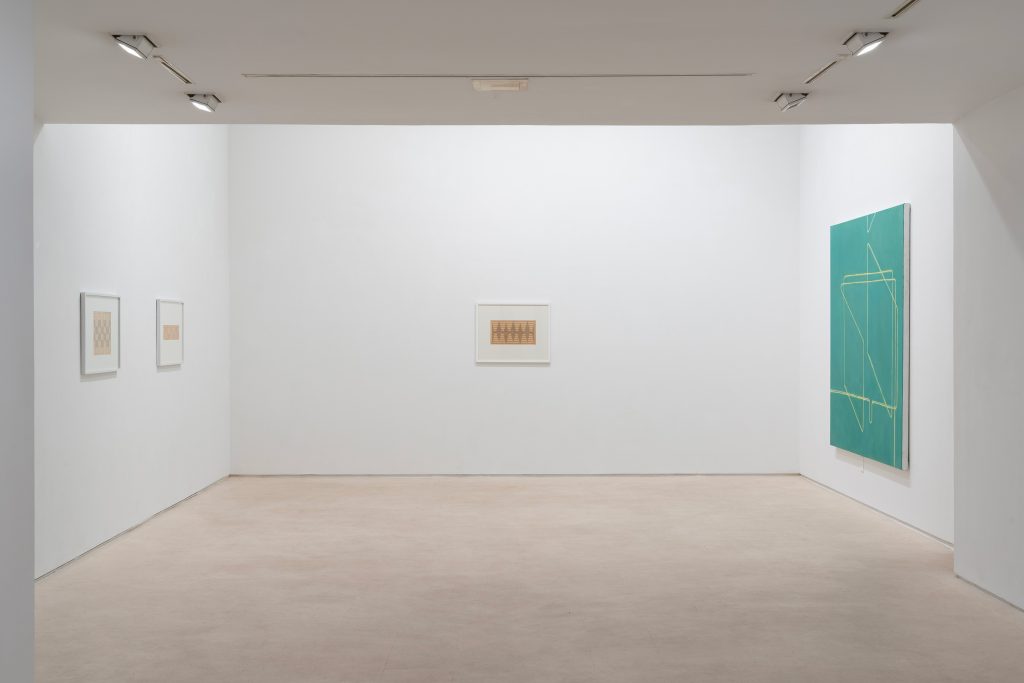
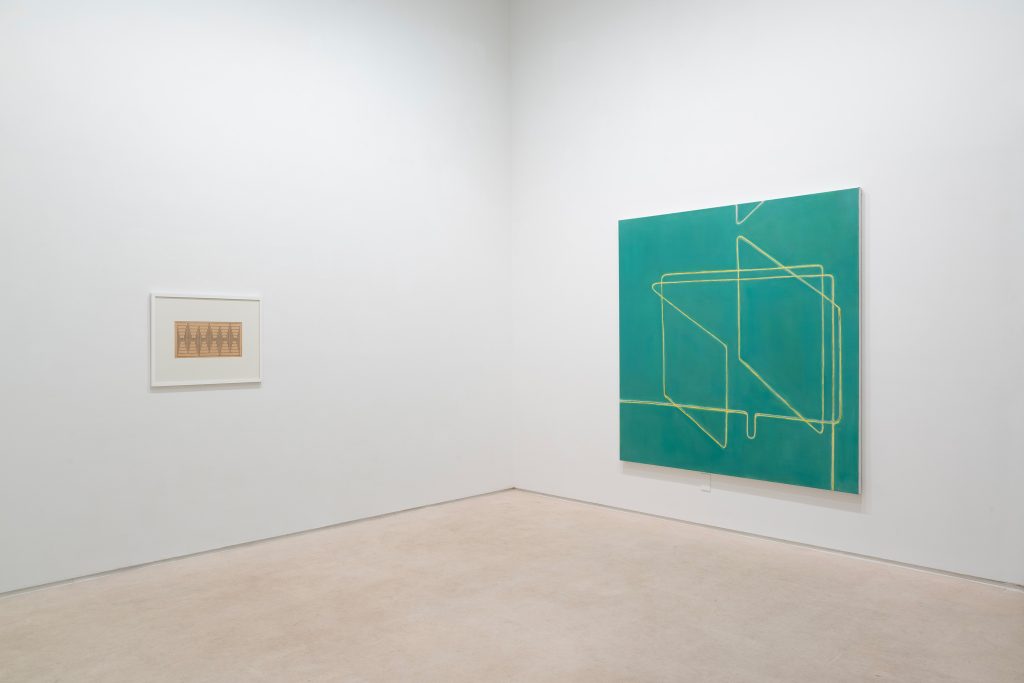
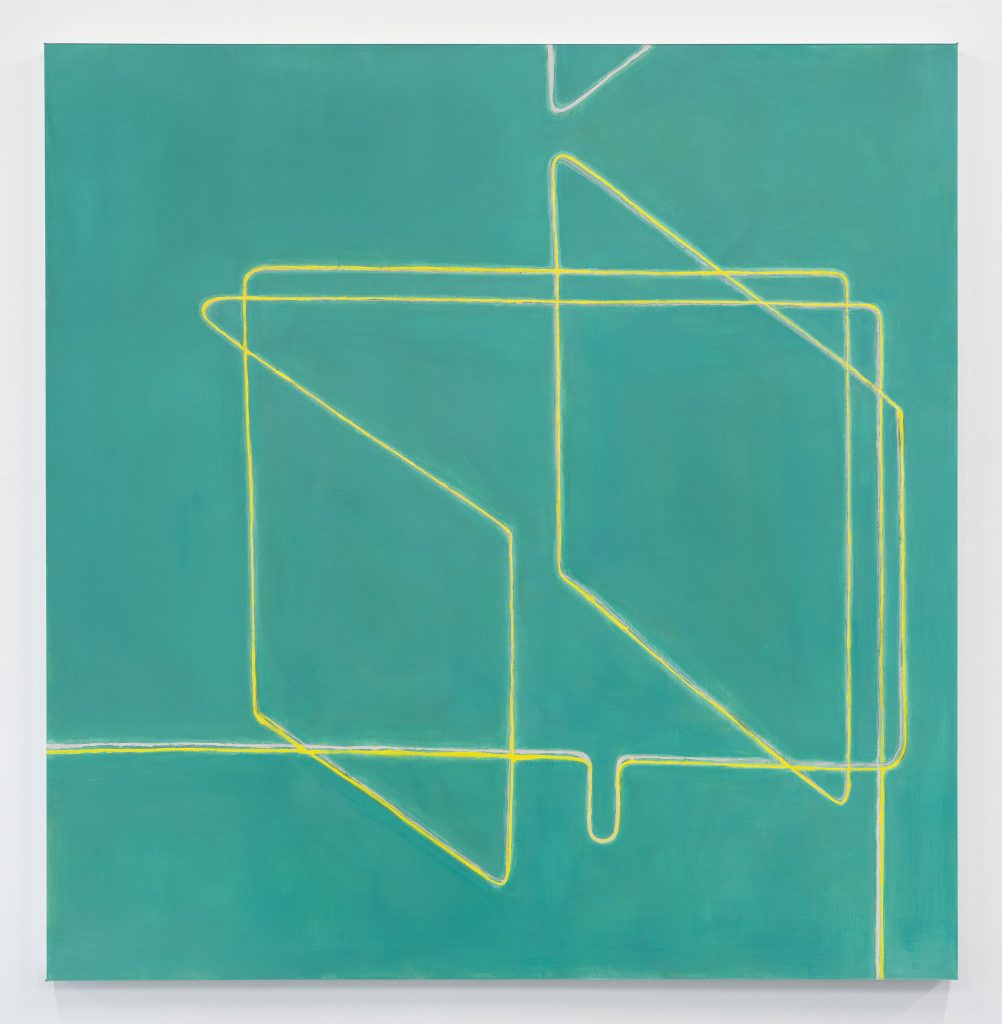
In a similar manner to Szpakowski’s drawings, the painting by Paul Pagk, Contained Continuum (2023), resonates with the invitation to follow the course of a line. In an exercise of concentrated attention, one’s eyes glide from the left corner of the canvas, where a yellow and pink double line begins against the green background. It takes a few twists and turns at the center before exiting the composition at the bottom.
Pagk’s work deliberately defies concrete representation, even though the planes he creates with a single line and few colors might evoke images. Upon closer examination, beyond a map—the simplest abstraction of reality with the most direct connection to the city—the contours of an apartment might emerge. We can see a window, an open door, a swimming pool, or a stage before a concert—all fragments of modern cohabitation. With this in mind, however, it should be noted that the subjective, freehand geometry characteristic of Pagk’s work crucially differs from Szpakowski’s delicately measured motifs and his quest for perfectly calibrated equilibrium.
Starting from ideas of pioneers of abstract art like Szpakowski and modernist flâneurs, with his work Pagk creates space for an unusual meeting somewhere between the early 20th-century Riga and Wrocław, the cities Szpakowski once strolled through, figuring out the underlying structure of the world; and the arcades of Paris, where Pagk grew up, under which much more known artists such as Pablo Picasso, Francis Picabia or Sonia Delaunay-Terk experimented with abstraction. And he is doing so from today’s New York, the lines of which have no equal—endless skylines and street lines, verticals of high-rises and lines of subway, lines of people at the stores, and picket lines.
Distinct in their times, both Szpakowski and Pagk meet in this exhibition emphasizing the continuity of the search for underlying principles of the world through the simplest forms of abstraction—line, rhythm, and color.
– Inga Lāce
With gratitude to Lukasz Kujawski, Jakub Gawkowski and Daniel Muzyczuk who introduced me to the practice of Wacław Szpakowski and have been generous collaborators in my research on his work.
WACLAW SZPAKOWSKI (1883–1973) was born in Warsaw in 1883. Although he never exhibited work during his lifetime, he has since been recognized as a forerunner of geometric abstraction in art. The first exhibition of his works took place in the Muzeum Sztuki in Lódz in 1978, followed by individual presentations at the National Museum in Warsaw, the City Museum of Wroclaw, Leon Wyczólkowski District Museum in Bydgoszcz, Wilhelm Hack Museum (Ludwigshafen, Germany), Galeria Atelier (Brussels), Galerie Berinson (Berlin), The Baltic Gallery of Art (Ustka), Galeria Awangarda BWA (Wroclaw), Galeria Willa (Lódz), and The Latvian National Museum of Art, among other locations. Additionally, his work has been presented in group exhibitions including Inventing Abstraction, 1910–1925 at the Museum of Modern Art (New York) and Muzeum Sztuki (Lódz), Ornament – Seriality, Vasarely Múzeum (Budapest), The Intelligible Non-Violent Art, The Israel Museum (Jerusalem) and Kunststation (Hofbieber-Kleinsassen, Germany), Europe – Concrete – Reductiv, Museum of Architecture (Wroclaw), Vonal, Ernst Múzeum (Budapest), Museum of Art In Lódz 1931 – 1992, Musée d’art contemporain (Lyon), Présences Polonaises, l’art vivant autour du Musée de Lodz, Centre George Pompidou (Paris), and Polish Photography 1839–1979, International Center of Photography (New York), among others. Grounding Vision, a group exhibition featuring 25 Szpakowski drawings presented at Miguel Abreu Gallery in 2017, was the artist’s largest exhibition in the US to date. His work is held in the permanent collections of the Museum of Modern Art (New York), Muzeum Sztuki (Lódz, Poland) and the Latvian National Museum of Art (Riga, Latvia). Waclaw Szpakowski 1883 – 1973: Rhythmical Lines, a monograph dedicated to his work, was published in 2016 by Ośrodek Kultury i Sztukiwe Wroclawiu in conjunction with an exhibition of the same title.
PAUL PAGK (b. 1962, Crawley, UK) lives and works in New York City. Institutional surveys of his work were recently on view at the Centre d’Arts Plastiques, Royan (2022) and the Fondation Fernet-Branca, Saint-Louis (2021), both in France. His work was included in Schema: World as Diagram, curated by Raphael Rubinstein and Heather Bause Rubinstein at Marlborough Gallery, New York (2023), and Singing in Unison: Artists Need to Create On the Same Scale That Society Has the Capacity to Destroy, curated by Phong H. Bui at Miguel Abreu Gallery, New York (2022). Pagk’s work is held in the permanent collections of the Fonds National d’Art Contemporain (FNAC), Paris; Les Abattoirs, Toulouse; Fonds Régional d’Art Contemporain (FRAC) Picardie, France; Springfield Museum of Art, OH, and the Hood Museum of Art, Dartmouth College, NH, among others.